Protect Painted Dogs with Painted Dog Research
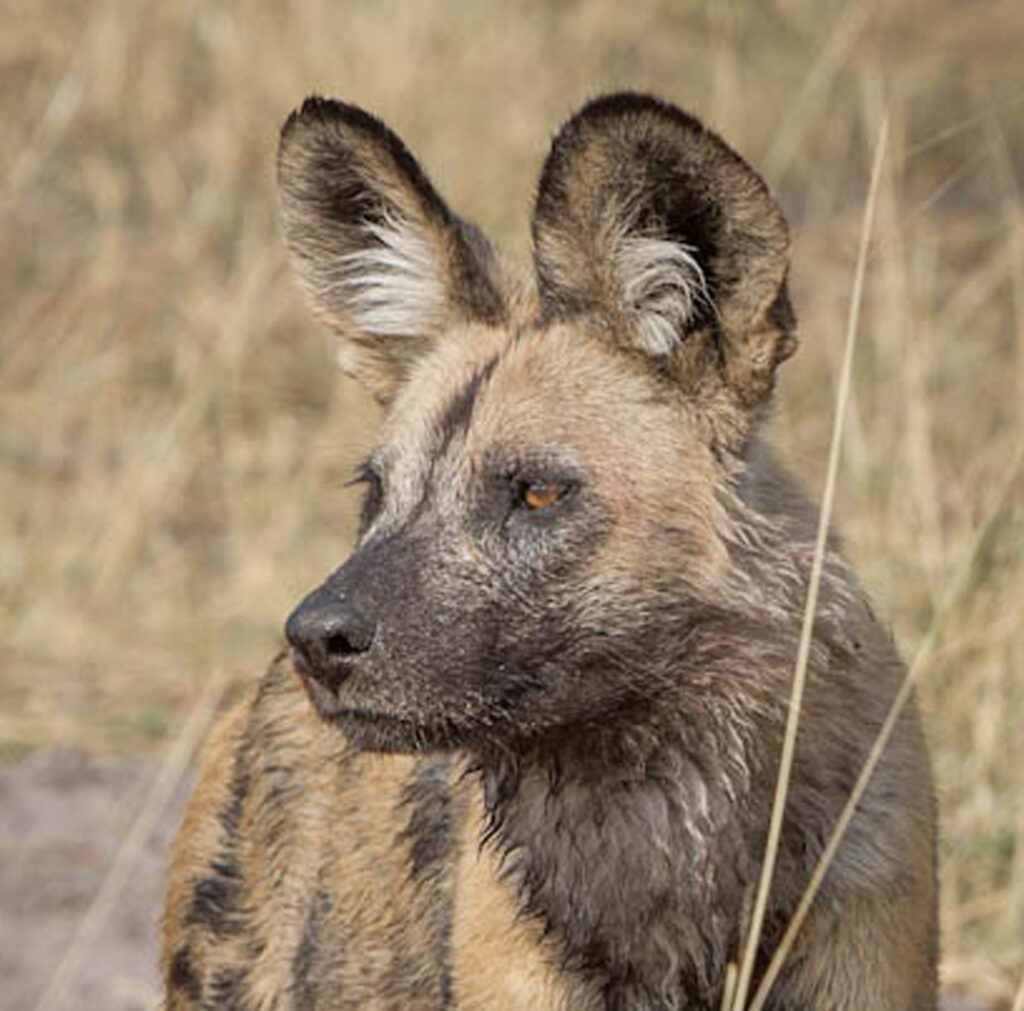
With field research as its guiding tool, Painted Dog Research (PDR) is dedicated to the conservation of the endangered African Painted Dog. Research has been ongoing since 1987 by founder Dr. Greg Rasmussen, making his one of the longest studies of Lycaon pictus. PDR operates a Conservation Ecology Center and research site just outside Victoria Falls, Zimbabwe. With his understanding of painted dog behavior, Dr. Rasmussen provided advice on the design of Niabi’s painted dog exhibit that influenced its construction to better suit their needs.
The staff of PDR has worked to establish an educational presence in their local area up to 20 km from their site. This has included bringing students from extension schools to the Conservation Ecology Center for on-site learning during children’s Bush Camps, Conservation Club, and as Nature Interpreters.
Niabi Zoo has provided the expertise required to advise PDR staff in the development of education strategic plans and materials needed to implement educational programming. Niabi staff has directly trained all 12 PDR Conservation Education Guides and helped design the PDR Bush Camps for children which operate twice per month year round. This has had a direct impact on the conservation of the Painted Dog around the communities in which they live. Niabi Zoo’s Curator of Conservation and Education, Joel Vanderbush, helped establish the US based non-profit organization, Painted Dog Research USA and developed a new website for PDR to help communicate their conservation efforts around the world.
Learn More
Support Whale Shark Research with Ch’ooj Ajauil (Blue Kingdom)
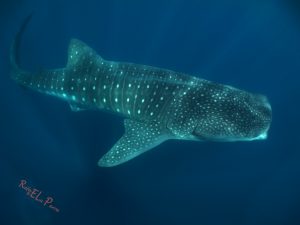
Just off the coast of Cancun, Mexico, north east of Isla Mujeres, gathers the largest aggregation of whale sharks in the world where over 400 gather annually. Since 2002, marine biologist Rafael de la Parra and his organization Ch’ooj Ajauil has led and coordinated whale shark research in the Mexican Caribbean. He and his team have tagged over 900 whale sharks, biopsied more than 200 whale sharks, published over 34 papers on whale sharks, and submitted over 5,800 encounters to the International Whale Shark Library. Yet, this has barely scratched the surface in understanding and protecting the world’s largest endangered fish.
In order to gather information on the whale shark population and habitat, he has employed technology involving “real time” satellite telemetry and behavior tags by attaching them to the whale sharks to gather data. The production and implementation of this technology can be costly but the high return of data substantiates its value. These methods are being used to estimate the ecological behavior of whale sharks while analyzing the impact of cargo ships, cruise ships, and tourism so as to improve the conservation practices for the species. Local, regional, and tour-based education programs are also needed to protect whale sharks. Niabi Zoo staff have participated in 3 whale shark tagging expeditions (2019, 2022, 2025) and contributes to greater understanding of these endangered giants and the preservation of the unique marine habitat in Quintana Roo, Mexico.
Learn more
Benefiting Biodiversity in Paraguay
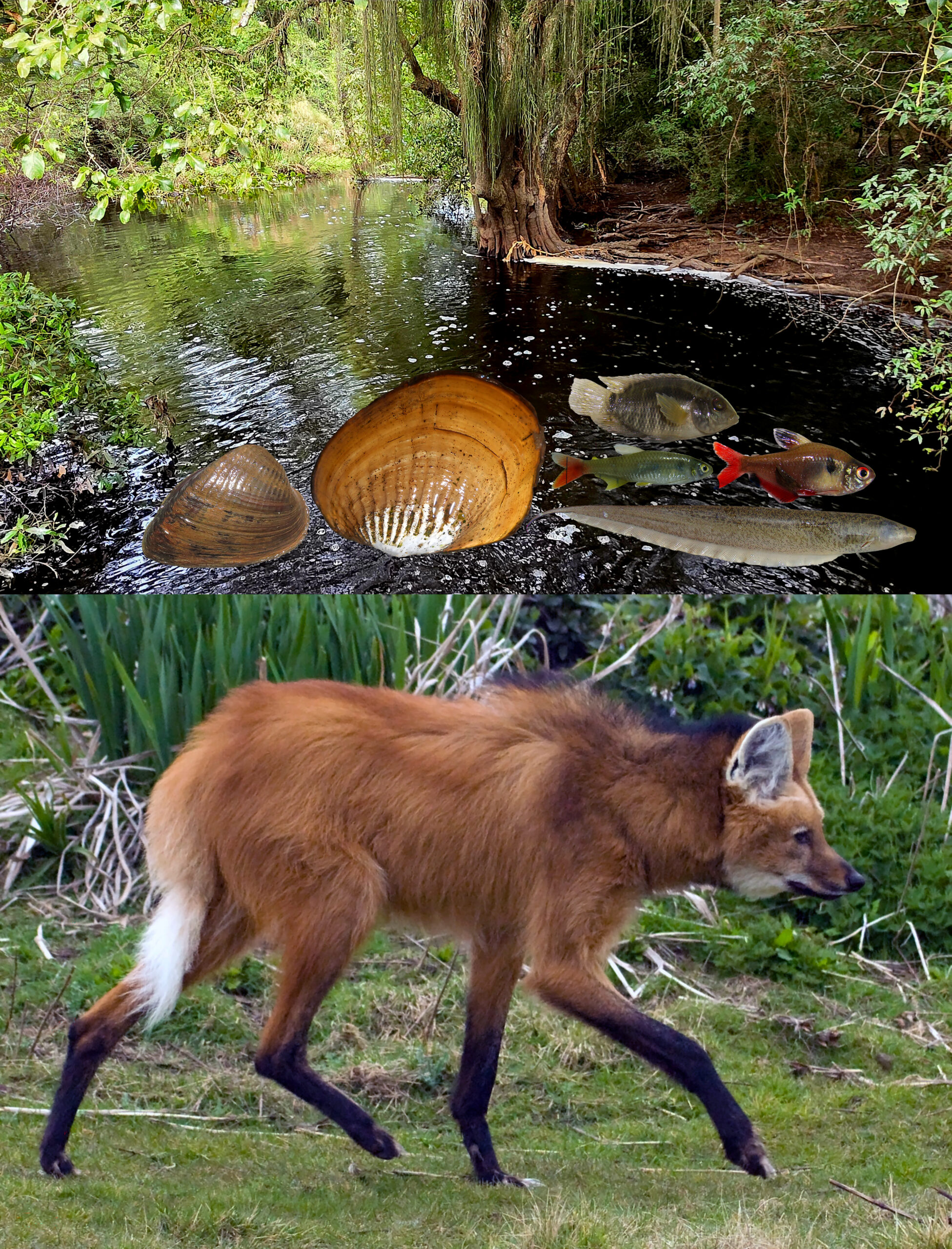
In Paraguay’s Upper Parana Atlantic Forest, extensive deforestation driven by industrial agriculture has drastically reduced the country’s forest cover to less than 7% of its original area. Despite this severe loss, the Atlantic Forest remains a biodiversity hotspot with a unique concentration of plant and animal species found nowhere else on Earth.
There is a great risk of losing many species that have yet to be scientifically described. Researchers
Lee Jackson, Director of Niabi Zoo, and Dr. Gerald Zuercher from the University of Dubuque have been engaged in Paraguayan fish and mussel surveys for years in the Mbaracayu Atlantic Coastal Forest Preserve.
Within the Gran Chaco, a biome only second to the Amazon, we have expanded our conservation efforts. The Chaco is a critically threatened ecosystem under tremendous pressure from habitat loss caused by ranching and corporate farming operations. Fires and droughts intensified by climate change have only made matters worse for species.
At the Centro de Investigacion del Chaco Americano, a research facility dedicated to biodiversity conservation, Dr. Brittany McCall from Augustana College collected environmental DNA (eDNA) to identify aquatic species. Assistant Zoo Director, Tammy Schmidt, gathered population data on the Maned Wolf (Chrysocyon brachyurus). Up to 50% of this omnivore’s diet is plant based. Zoo staff and other scientists are taking a closer look at how this unique canid pollinates different species of fruiting trees and how it impacts survival for each.
Niabi Zoo is working to:
- Conduct surveys to increase the number of known species in Paraguay
- Identify species under special threat that may benefit from targeted conservation action
- Help institute additional protections, such as habitat restoration and propagation in human care
 Preserving Pollinators Locally
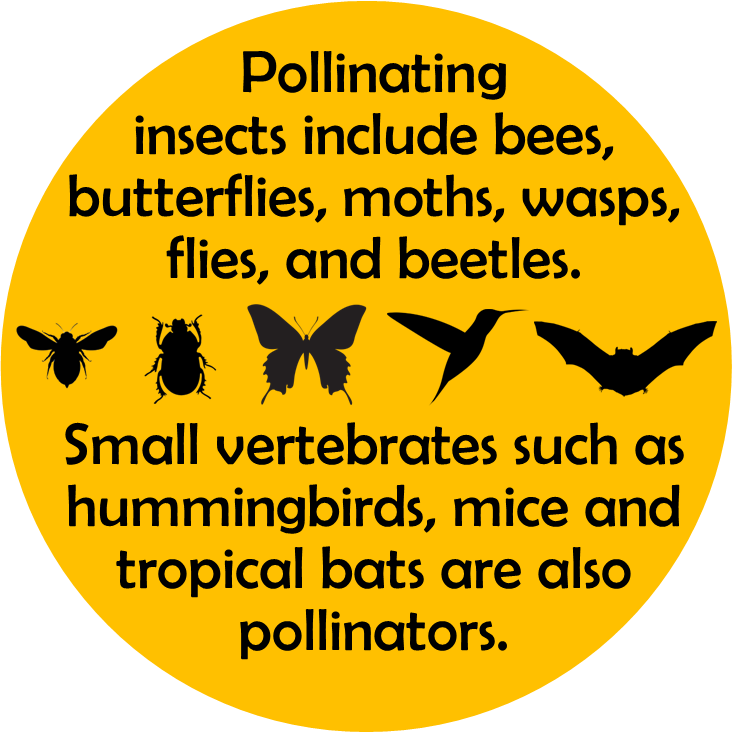
Pollinators are important to the survival of humans. Pollination happens when the pollen from the stamen of a flower is transferred to the pistil of another of the same species. This fertilizes the flower, enabling it to produce seeds and fruit. Pollinators provide pollination services to over 180,000 different plant species and more than 1200 crops. Insect-pollinated crops directly contribute $235-577 billion to the global economy/year.

Pollinators are in Trouble
Many pollinator species around the world are declining, and some are at risk of extinction. Pollinators face multiple threats at the same time such as habitat loss and pesticides from intensive agriculture, disease, climate change and invasive species.
 Found within Niabi Zoo
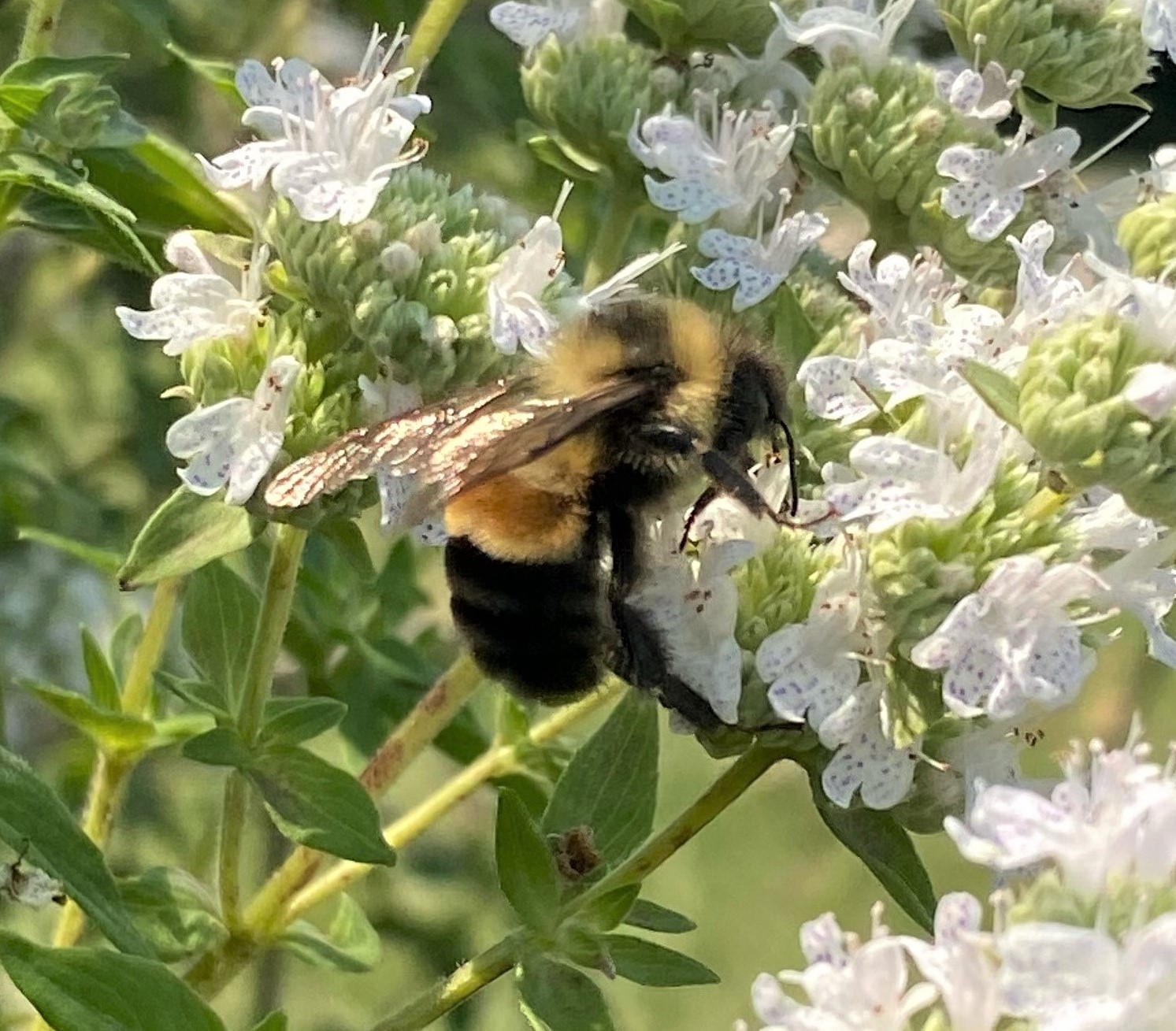
Rusty Patched Bumble Bee = Endangered
Monarch Butterfly (migratory) = Endangered
American Bumble Bee = Vulnerable
Since 2016, Niabi Zoo has restored and continues to maintain over 20 acres of prairie within its 287 acre Forest Preserve. In 2018, Niabi was the first in the Quad Cities to reidentify the Rusty Patched Bumble Bee. Niabi Zoo has collaborated with fellow members of the Bistate Conservation Action Network (Bi-CAN) & the University of IL Extension for their Pollinator Pocket layouts. You can plant your own pollinator pocket and help preserve pollinators!
Learn More